TfL issues major update on Oyster cards
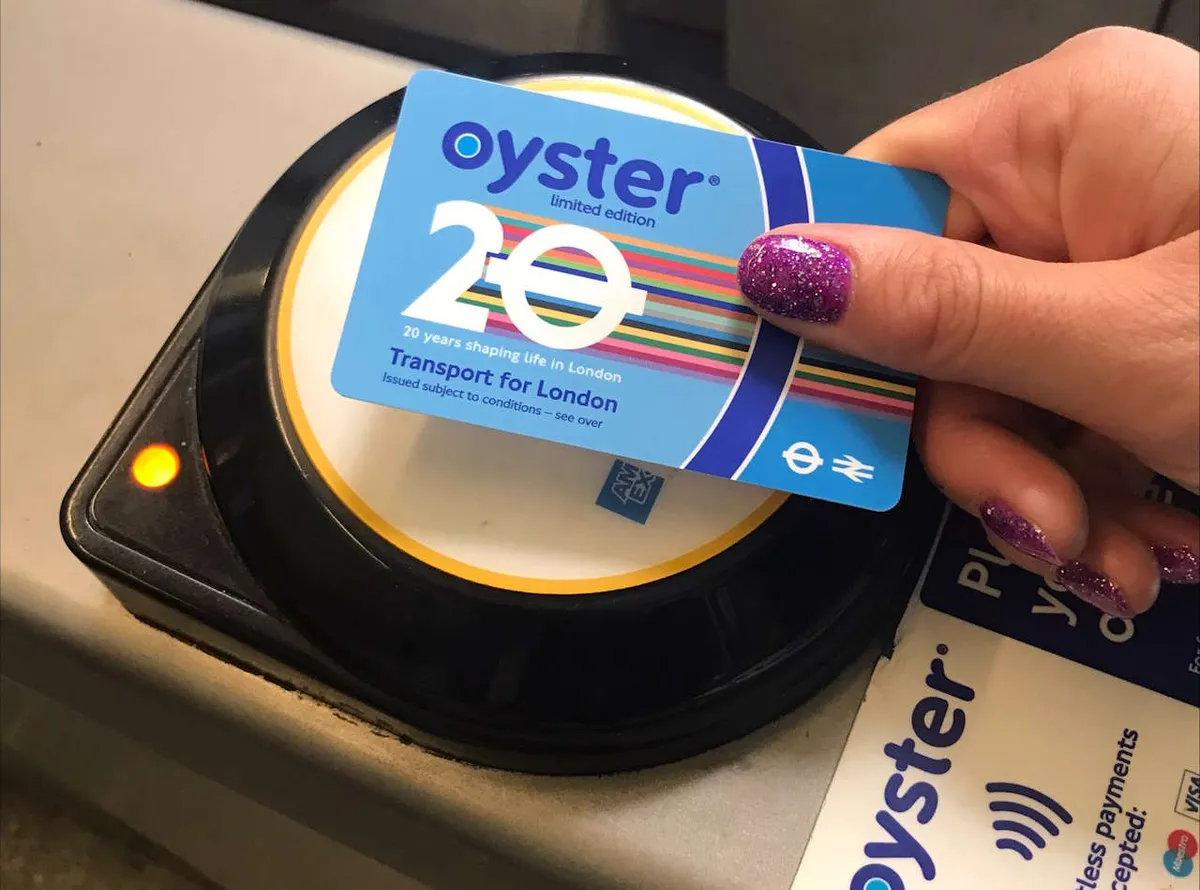
Transport for London (TfL) has announced major updates to its Oyster card and contactless payment systems. This isn’t just about smoothing out the daily commute — it signals a big shift in how London handles public transport ticketing, affecting the day-to-day travel of both residents and visitors.
A new seven-year contract has been awarded to Indra Group, a company known for its technological and innovative work. Under the deal, Indra will run, develop and maintain TfL’s revenue collection systems (specifically those linked to contactless and Oyster payments). The main aim of the partnership is to keep travel across the capital’s huge transport network as smooth and efficient as possible.
What Indra will do and how the handover works
Indra’s role goes beyond tech upkeep. They’ll lead the next generation of Oyster systems, working alongside Cubic Transport Systems. Staff currently employed by Cubic will move to Indra where applicable, helping to keep operations steady during the changeover and making sure services continue without a hitch.
Indra has said it’s proud to be TfL’s technology partner, describing the project as a “global flagship” for sustainable mobility. The company has pledged to meet and exceed customer expectations, aiming to make travel easier for everyone in London.
Cubic Transport Systems, which has played a major part in developing the current ticketing system, laid a strong foundation over the past decades. TfL has acknowledged the valuable work done by Cubic, which helped make the current system instantly recognisable and used by millions.
How people use it and what’s changing
More than 90 per cent of Tube and bus journeys in London are paid for with contactless or Oyster cards. That level of use underlines how important the system is for everyday travel and why updating it matters.
TfL plans to modernise the Oyster card to bring it closer to the more flexible contactless setup. That includes moving towards an account-based approach (where fares and travel records are stored and processed in an account rather than on the card itself), giving passengers greater flexibility. One possible feature is the ability to load an Oyster card onto a mobile phone, making things more convenient for users.
These changes are intended to be user-focused, keeping the system accessible and avoiding disruption to passengers’ journeys. TfL says travellers should see no negative effects during the transition.
Who’s involved and why people’s trust matters
The main parties in this project are Transport for London, Indra Group, and Cubic Transport Systems. The biggest stakeholder group is the millions of passengers who use these systems every day, along with staff who may move into new roles under Indra. TfL stressed that making sure the system charges fares accurately is vital for keeping customer confidence.
Indra believes the project will position London as a leader in innovative and sustainable transport solutions worldwide. They say they intend to use the opportunity to showcase a model of excellence that could inspire other cities.
As TfL sets off on this technological journey, the focus stays on improving the travel experience. This substantial contract aims not only to enhance the current system but also to place London’s transport network at the forefront of urban mobility, encouraging users to think about how these changes will affect their daily commutes.