It warms homes better than pellets and costs less: Poles are turning to a new type of heating fuel
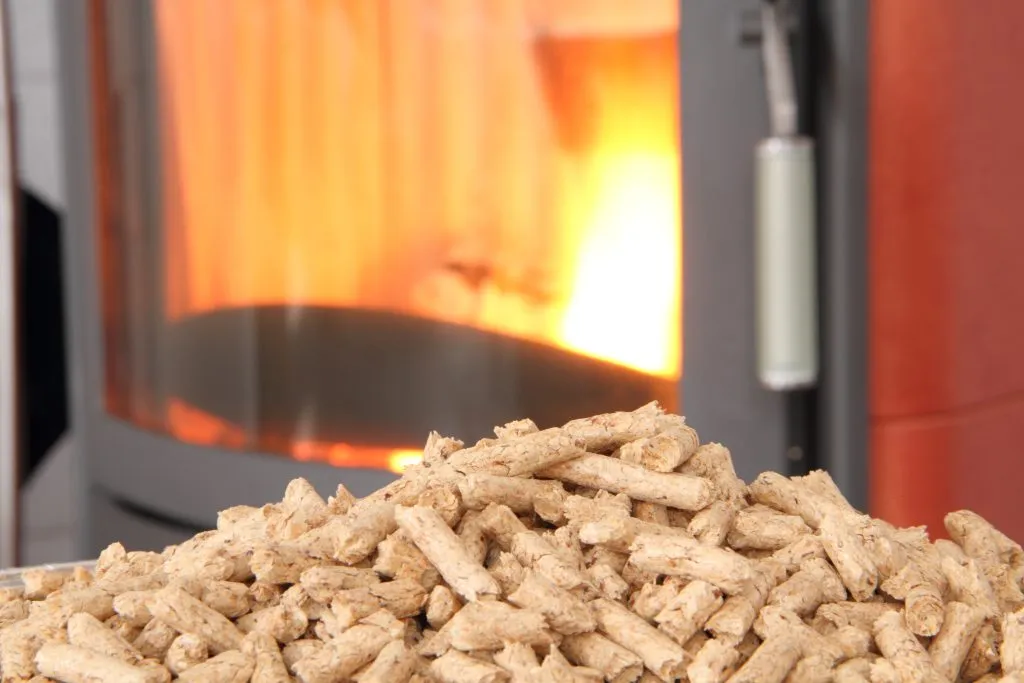
As the colder months roll in, a new contender is starting to make waves in the heating market. Sunflower husk briquettes, made from food-processing waste, are drawing attention across the Czech Republic. They’re being talked about as a potential hit this season, offering a mix of lower costs, greener credentials and solid heating performance.
Why they’re gaining ground
Sunflower husk briquettes are produced without chemical additives and stand out for their energy efficiency and competitive price. The Local Government Portal (Portál místní samosprávy) in the Czech Republic notes they could soon become a go-to fuel for users of biomass boilers because they can be more efficient and cheaper than traditional wood pellets.
Homeowners and people using pellet stoves and biomass boilers are increasingly trying these non-traditional bio-based fuels. Rising prices for conventional fuels like pellets and coal are pushing users to look for more economical options. Adoption is expected to rise significantly, with forecasts suggesting up to 500,000 households could be using biomass-based heating by 2026.
What they offer the market
The alternative fuels market is getting more competitive, but sunflower husk briquettes are making a strong case. Priced between £93 and £182 per tonne, they are several tens of percent cheaper than wood pellets. They also have a high calorific value and a low moisture content of 9–10%, which helps them burn efficiently and produce good heat — an equivalence of 1.6 tonnes of wood per tonne of briquettes.
They’re promoted as a cleaner option, too. Some traditional pellet fuels have been found contaminated with furniture waste and plastics, which lowers quality and makes them a significant source of pollution from small heating devices, even overtaking coal in that regard (according to the Local Government Portal).
How they’re made and the environmental side
Production involves drying, fragmenting and pressing the husks under high pressure and temperature. No glue or chemical binders are used, which strengthens their green credentials. With a low ash content of approximately 2–5%, they burn relatively cleanly and the ash can even be used as a fertiliser, turning food-industry waste into a useful resource.
That said, quality can vary — the same issues seen with other biomass products can crop up here. Subsidies have been offered to support uptake of biomass boilers, but maintaining consistent quality standards in biofuel production remains important.
Where you can use them
Sunflower husk briquettes work with a range of hard-fuel furnaces, including bunker-fed and retort-fired stoves and boilers. That versatility, along with affordability and the environmental advantages already noted, makes them an attractive option for households looking at more sustainable heating. Portal Samorządowy highlights the high energetic properties of sunflower husk briquettes and suggests they could outperform traditional fuels like wood pellets.
Growing demand for renewable, cost-conscious heating fuels, and the increasing capacity of sunflower husk briquettes to meet that demand, points to a notable shift in the heating market. As consumers look for greener and more wallet-friendly options, sunflower husk briquettes may well become a common choice for home heating.