Is it better to keep the heating running all night in freezing weather?
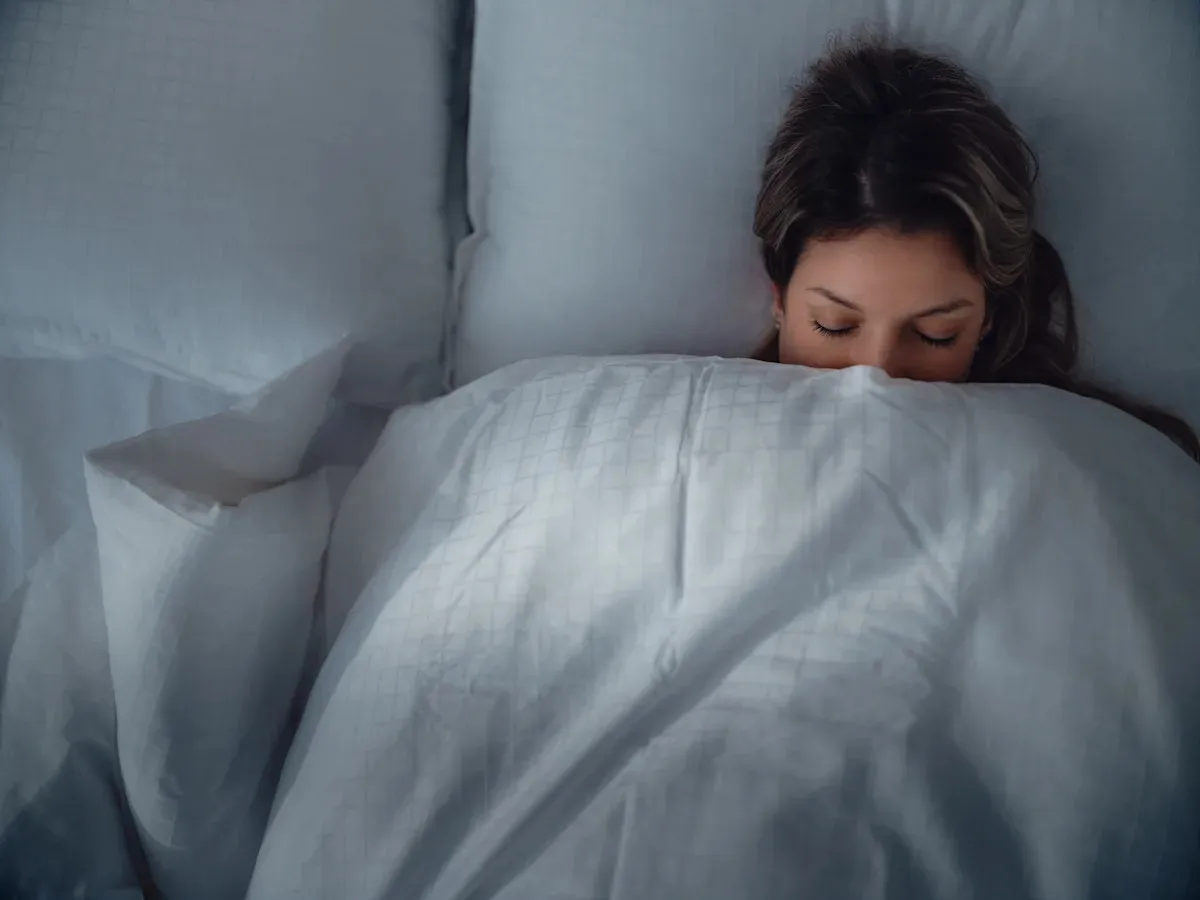
A run of frosty mornings and sub-zero nights has settled across the United Kingdom, and the cold is really settling in. Bitter temperatures, snow and ice are forecast to stick around, causing headaches for transport and concerns for people who are vulnerable. With weather warnings even mentioning “blizzard‑like conditions” in places, lots of households are wondering how best to stay warm at home during these harsh spells.
How to heat your home safely overnight
When temperatures fall, many people ask, “Should I leave the heating on overnight?” The Energy Saving Trust recommends setting your thermostat to the lowest comfortable temperature, usually between 18°C and 21°C. While 18°C is the advised minimum, people who are more vulnerable may prefer a slightly higher setting. Brian Horne from the Energy Saving Trust notes that most people feel comfortable at around 18°C at night. Importantly, to reduce the risk of frozen pipes during deep winter, it’s better to turn the setting down rather than switching the heating off completely.
Many boilers have a frost‑protection mode (often shown by a small star symbol) that keeps a minimal heat level running to help prevent freezing and protect the system.
Babies and sleep: what to watch for
There are specific recommendations for safe sleep for babies. The Lullaby Trust suggests keeping nurseries between 16°C and 20°C. Light bedding or a lightweight, well‑fitted baby sleep bag is considered safe and usually enough to keep infants warm. A lot of baby monitors now include room thermometers, which makes it easy for parents to keep an eye on the temperature.
For adults, The Sleep Charity says most people sleep well when bedrooms are also between 16°C and 20°C, with around 18°C often hitting the sweet spot. Getting too warm can make sleep restless, so breathable bedding like cotton or linen helps regulate body temperature, as physiologist Rebekah Parr advises. Sleep expert Dr Babak Ashrafi also points out that overheating can disrupt deep sleep, while being too cold can wake you or cause discomfort.
Practical tips for a good night’s sleep
To keep your sleeping environment cosy and efficient, The Sleep Charity recommends using a duvet with a tog rating of 10.5 or above for winter. They also suggest pre‑heating the bed with an electric blanket only if it has safety features such as a timer and an automatic shut‑off (check the manufacturer’s guidance), as advised by SilentNight UK and the London Fire Brigade.
Hot water bottles can be useful but should be treated with caution. The Royal Society for the Prevention of Accidents (RoSPA) warns against sitting or lying on them because a leak could cause burns or scalds. Use them properly sealed and covered, and take them out before you go to sleep.
Other things to bear in mind
Older people, children, and anyone with respiratory problems or asthma are more sensitive to cold, dry air and may need slightly warmer rooms. Simple pre‑sleep routines — a warm bath or getting some morning daylight — can help tune your body’s natural sleep–wake rhythm (circadian rhythm) and promote better rest.
Keeping your hands and feet warm matters, too. Wearing warm socks or placing a hot water bottle at your feet can help you nod off faster (studies back this up). It’s often more efficient to keep the bedroom air a bit cooler while making sure bedding and your extremities stay warm, so your body can shed heat naturally overnight.
When cold snaps make indoor heating a must, balancing safety, health and energy efficiency is the name of the game. Knowing a few practical measures and putting them into practice will help keep your home a warm refuge from the chill. This winter, as the UK braces for frosty weather, make sensible choices about heating and sleep so you and your loved ones stay warm, safe and well rested.