Elon Musk predicts AI and robotics will make jobs optional and money meaningless within 10 to 20 years
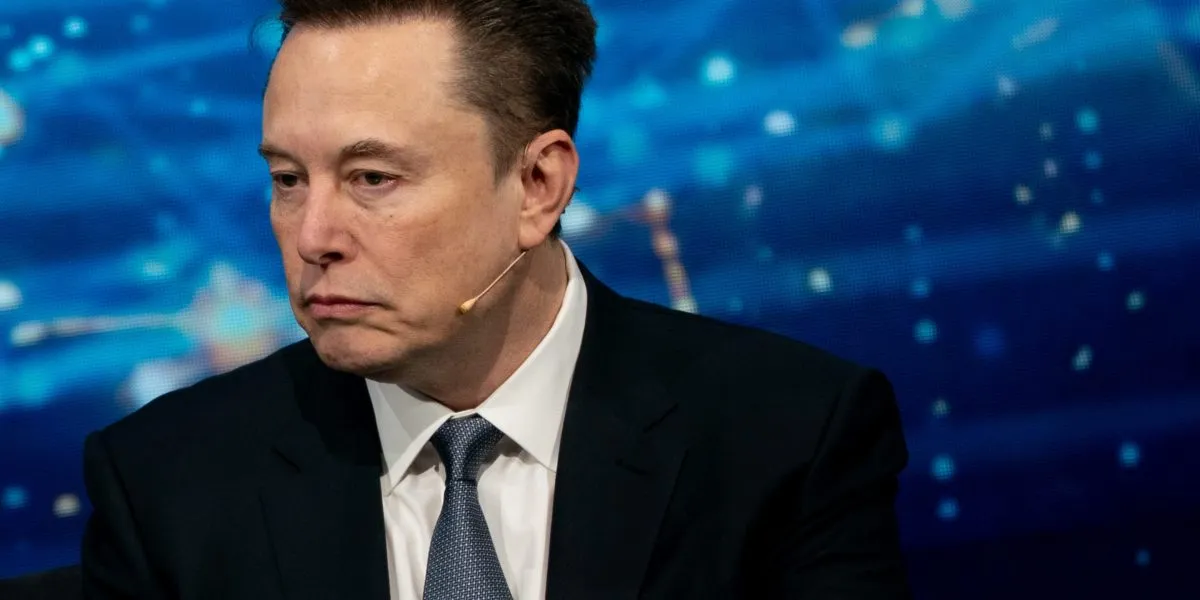
In a world where technology keeps moving fast, Elon Musk has painted a picture of a future where work becomes a choice rather than a necessity. Speaking at the U.S.-Saudi Investment Forum in Washington, he used colourful metaphors, comparing choosing to work to tending a vegetable patch out of passion even though you could easily buy everything in a shop. As he put it, “My prediction is that work will be optional. It’ll be like playing sports or a video game or something like that.”
Robots, Tesla and the plan for the next 10 to 20 years
Musk, Tesla’s CEO, predicts a big shift driven by automation and robotics within the next 10 to 20 years. The idea is that putting millions of robots into the workforce would push productivity so far that working becomes optional. He wants Tesla to move beyond electric cars into a future powered by AI and robots. Musk has said he expects about 80% of Tesla’s value to eventually come from its Optimus robots (the humanoid robots Tesla is developing). But those robots have faced ongoing production delays, which is a real obstacle. Musk’s plans are backed by his financial clout — his net worth of about £531bn.
Musk also sees this robotic shift touching healthcare. On the “Moonshots with Peter Diamandis” podcast, he suggested automatons could outnumber human surgeons “within the decade”. He claimed these automated medical services could surpass the care given to “the president”. Musk argues that humans are “pre-programmed to die” and that changing that programming could mean much longer — even potentially endless — lifespans.
Universal income and Musk’s vision of a money-free world
Borrowing from Iain M. Banks’ Culture novels, Musk imagines a world where AI and robots advance to the point that “money will stop being relevant.” At Viva Technology 2024, he floated the idea of a “universal high income” to support a society where conventional work isn’t needed. He didn’t go into the nuts and bolts of how that would work. The proposal echoes universal basic income ideas, which OpenAI CEO Sam Altman has also backed.
Economists and researchers who push back
Not everyone buys Musk’s rosy outlook. Economists such as Ioana Marinescu (University of Pennsylvania) offer a more cautious take. In a working paper published at the Brookings Institution, she points to the high costs and difficulties of scaling up robotics, arguing that gains from robotics might face diminishing returns. A Yale Budget Lab report from October 2025 found that the labour-market disruption many expected from AI since the launch of ChatGPT in November 2022 hasn’t shown up as quickly as forecast, suggesting adaptation has been slower than predicted.
Other experts raise additional concerns. Samuel Solomon (Temple University) stresses the need for political and economic frameworks to spread the wealth AI creates fairly, asking whether the shift will produce inclusive growth or widen existing inequalities.
Anton Korinek (University of Virginia) warns that if the economic value of labour falls, society will have to rethink basic structures. If work becomes largely irrelevant, we’ll need to reassess roles and community bonds.
What this could mean for society
There’s a lot of enthusiasm around AI and robotics, but there are also real worries about rising social and economic divides. The question is how to make sure AI-generated wealth is shared fairly. Analysts like Torsten Slok (Apollo Global Management) note that an AI-driven boom has pushed earnings expectations up for the “Magnificent Seven” tech firms while dragging them down for the rest of the S&P 493.
As we stand on the edge of these changes, finding a balanced approach that makes the most of the technology while limiting downsides will be important. Much like tending a garden, whether humanity grows a fair and inclusive future will depend on deliberate care and effort.